Displaced Kurdish families in IDP camps
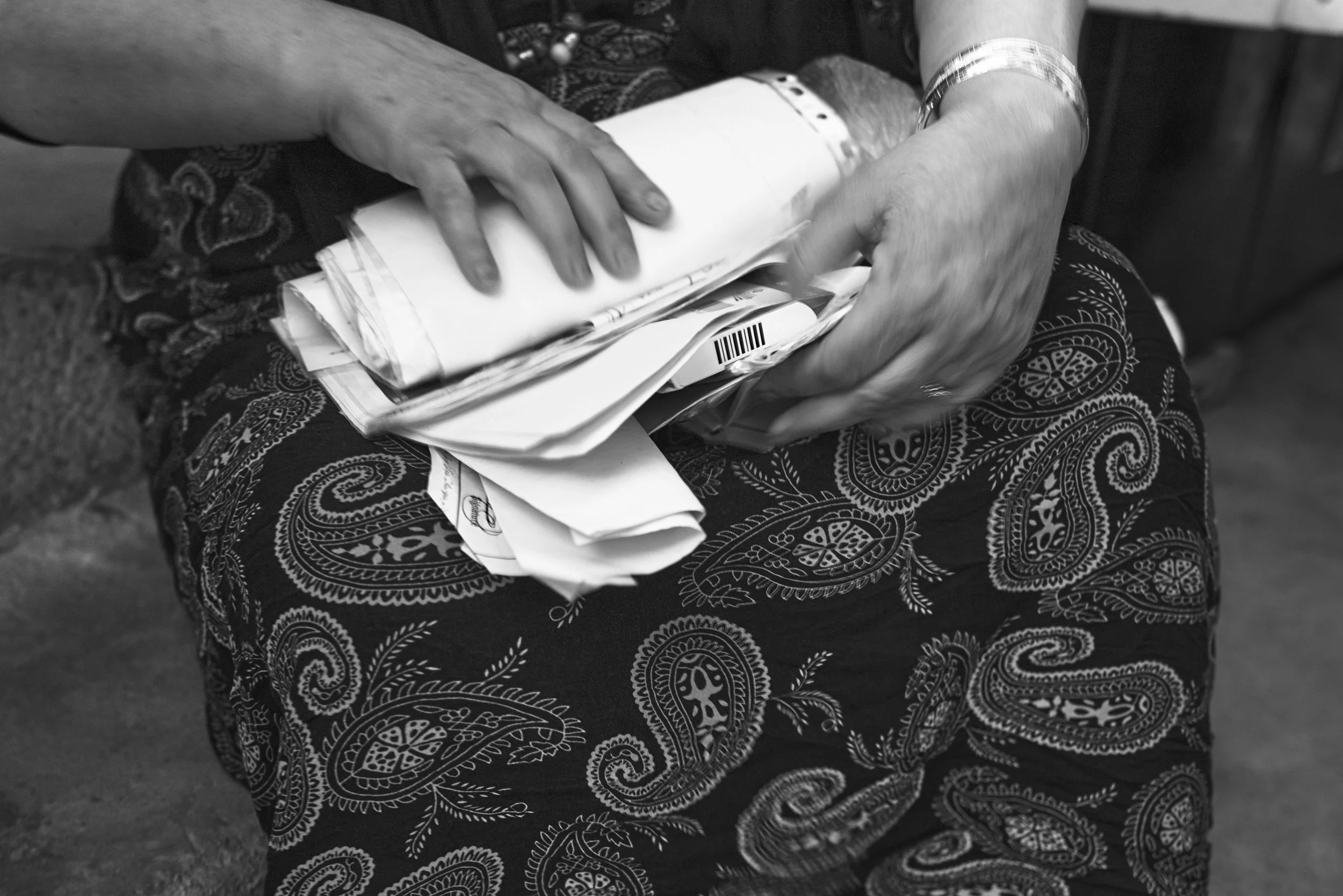
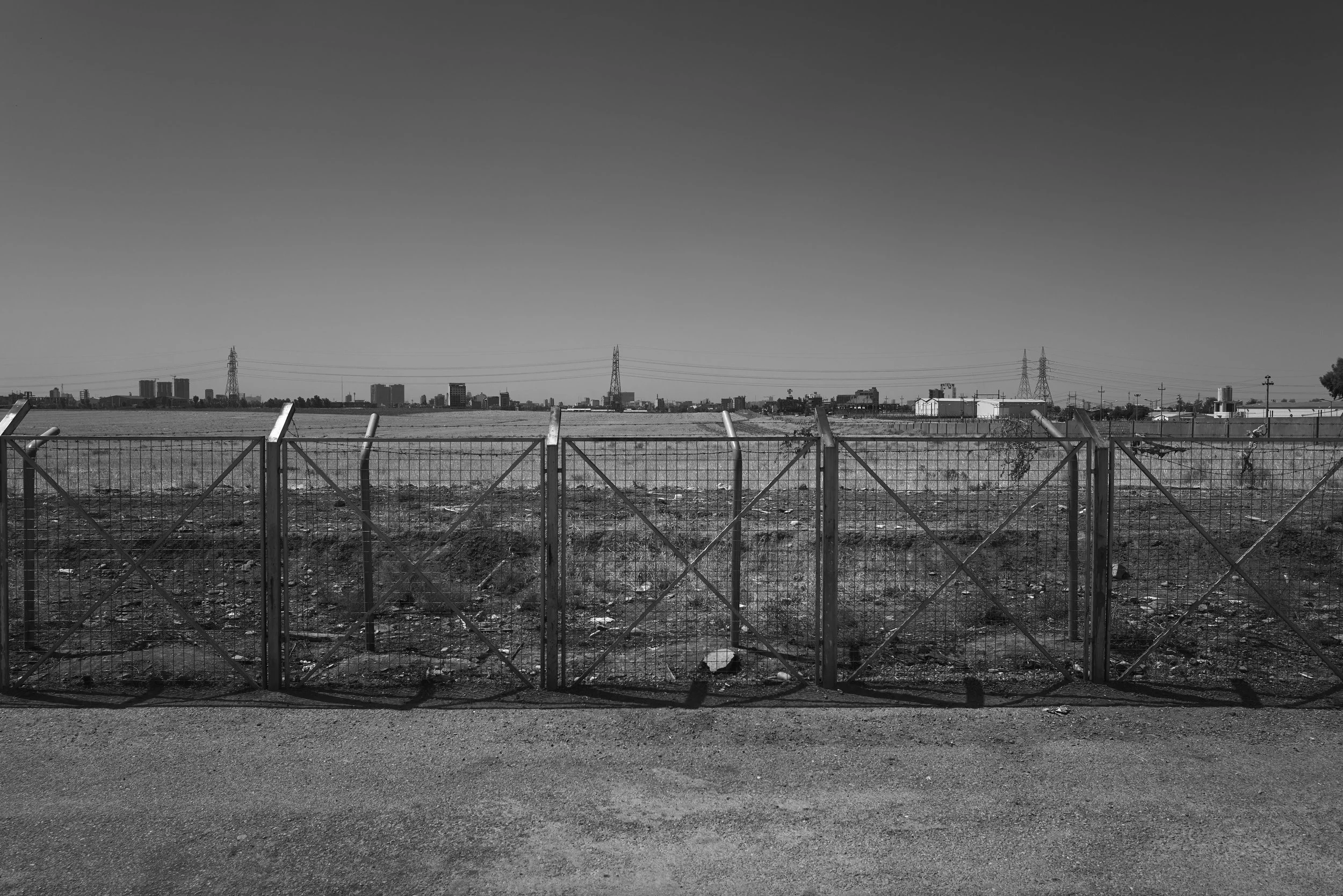
IDP, Internal Displaced Persons or just refugees. Refugees in their own country, due to the rise of the caliphate in Iraqi territory, mainly from Mosul and the Sinjar region.
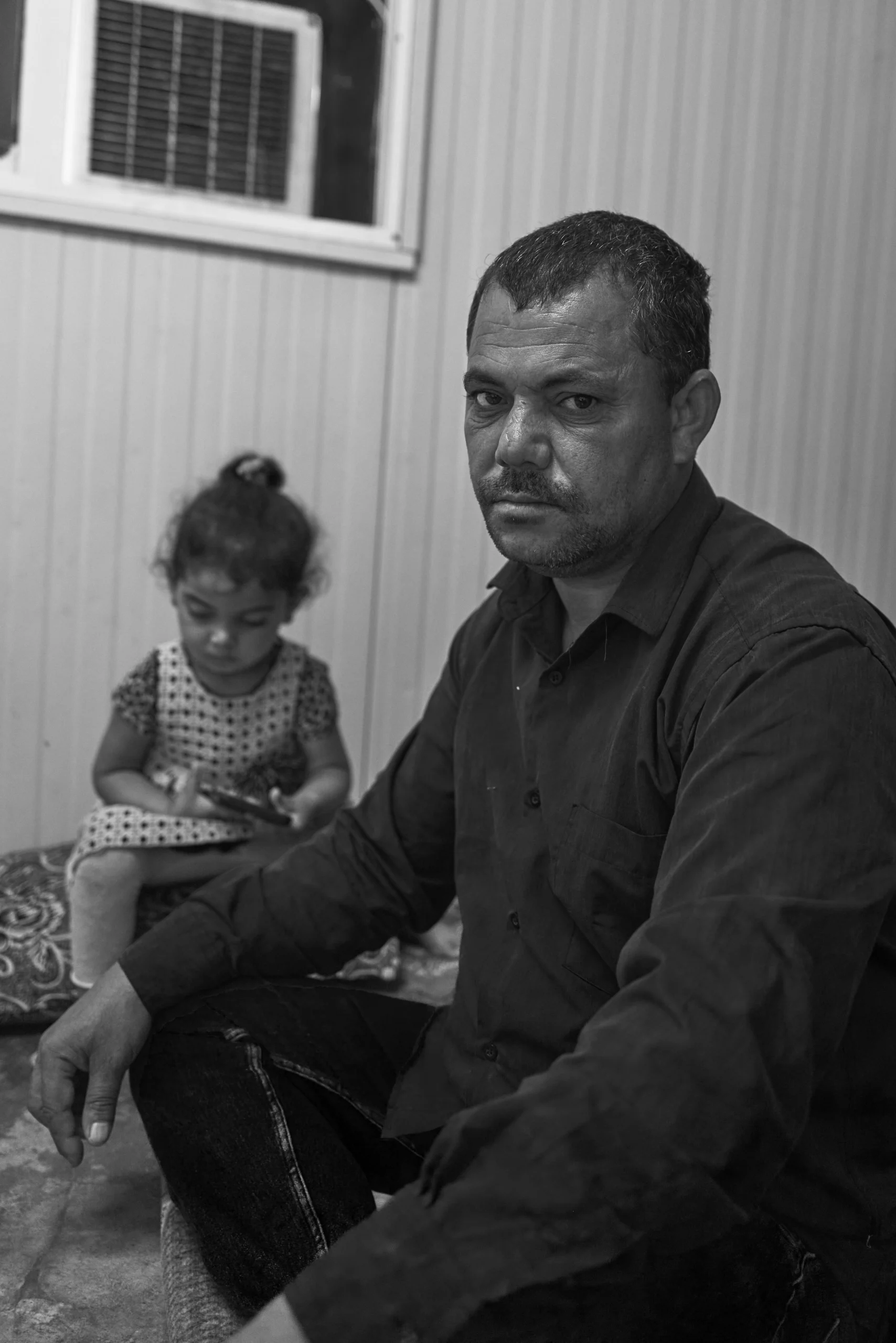
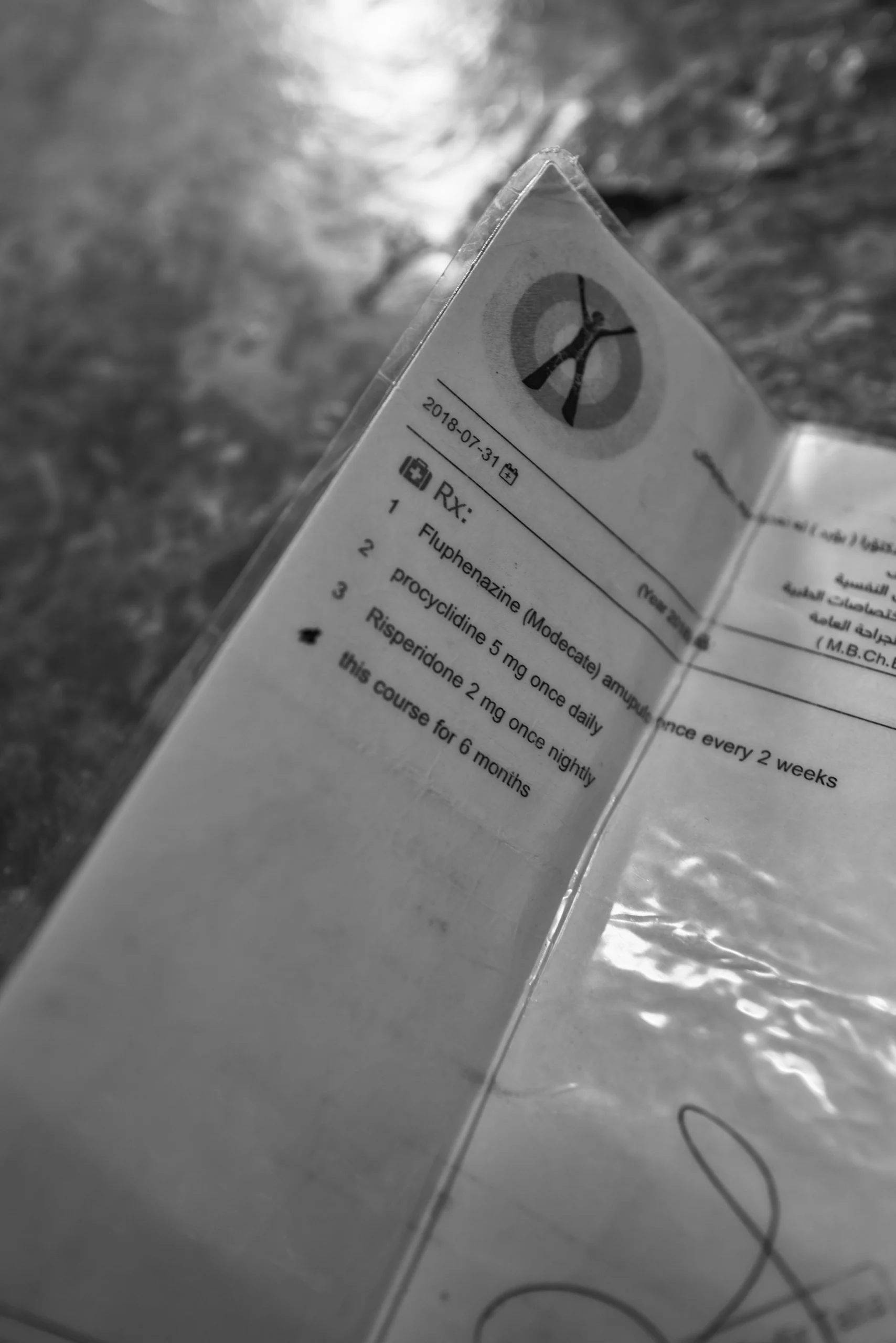
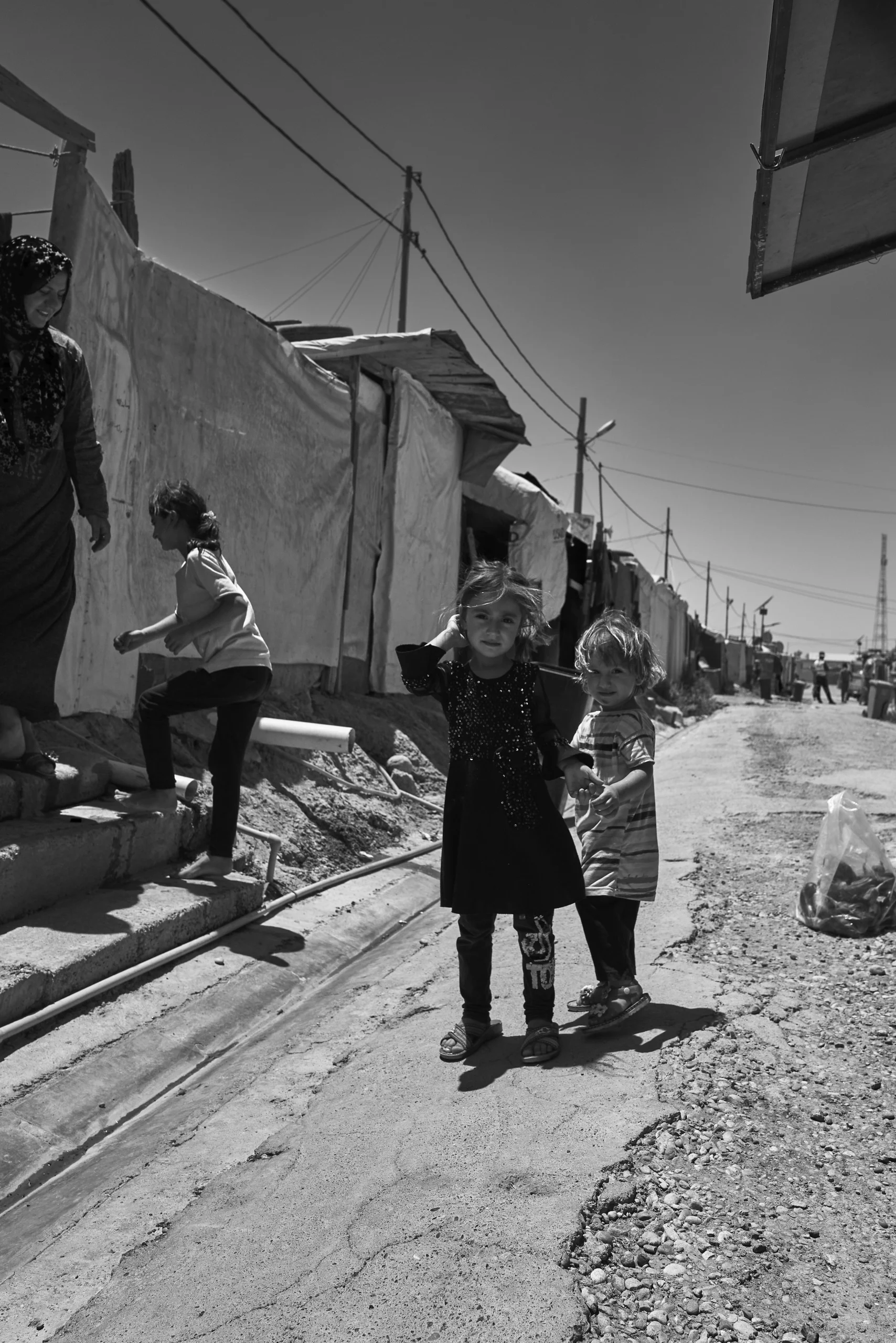
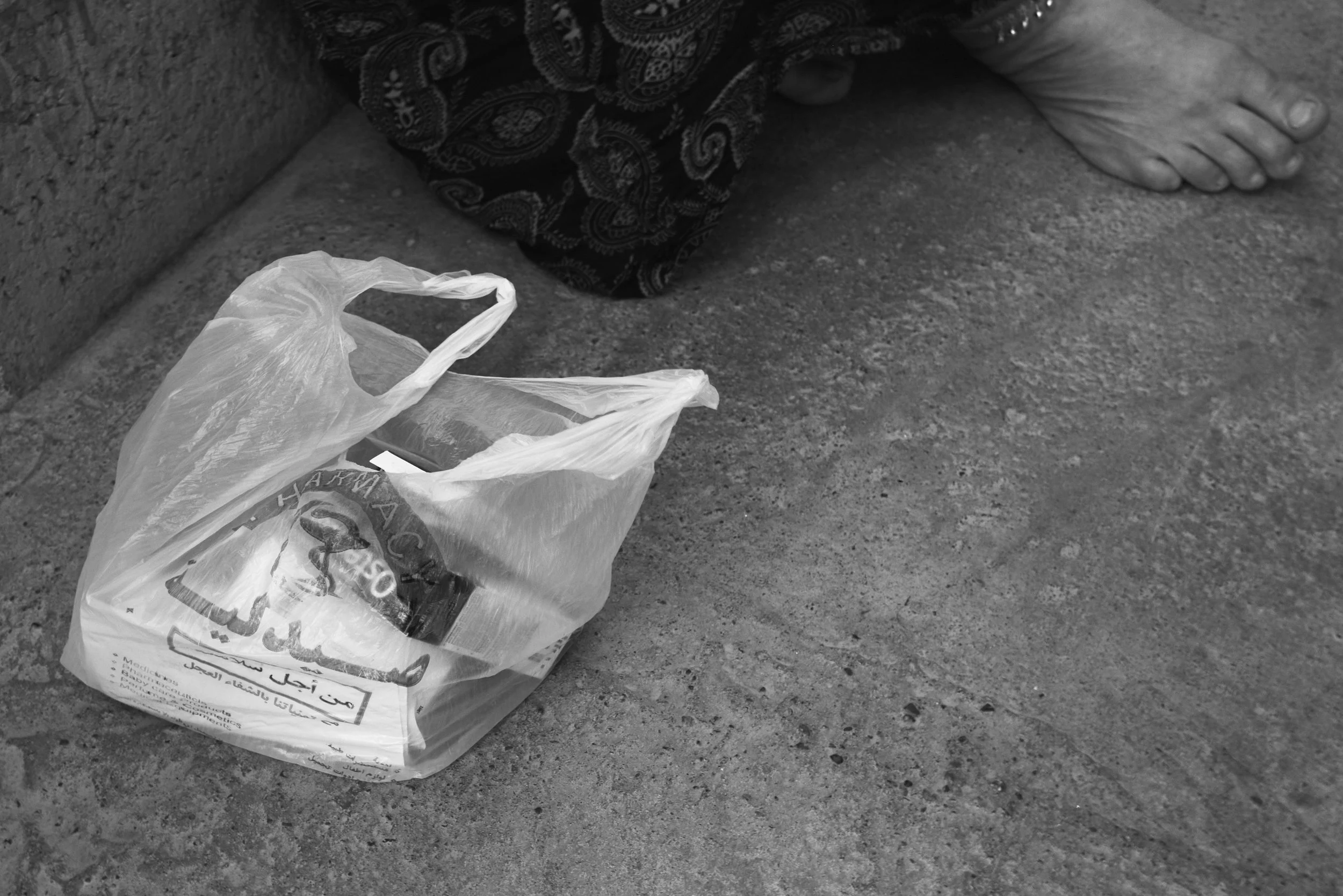
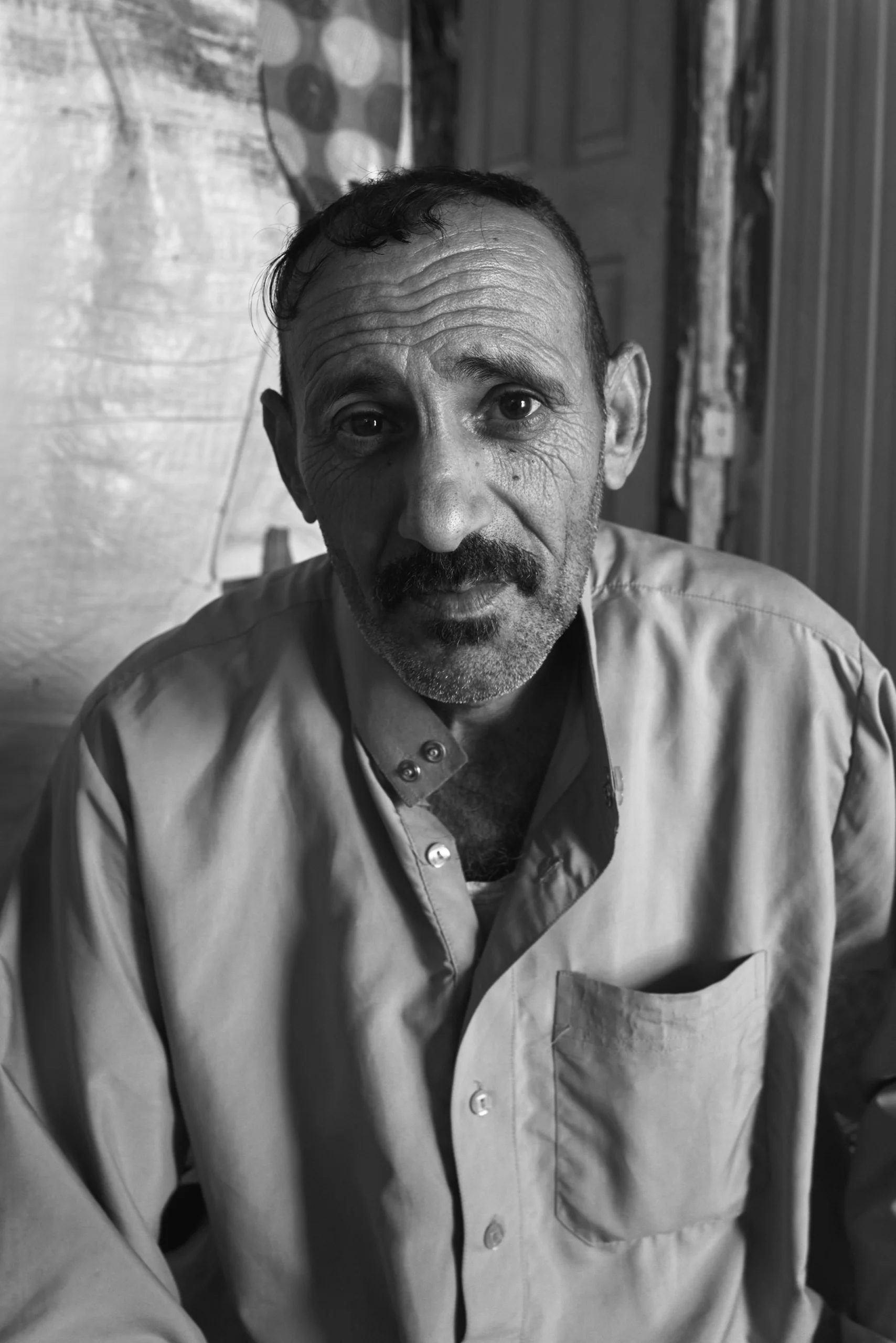
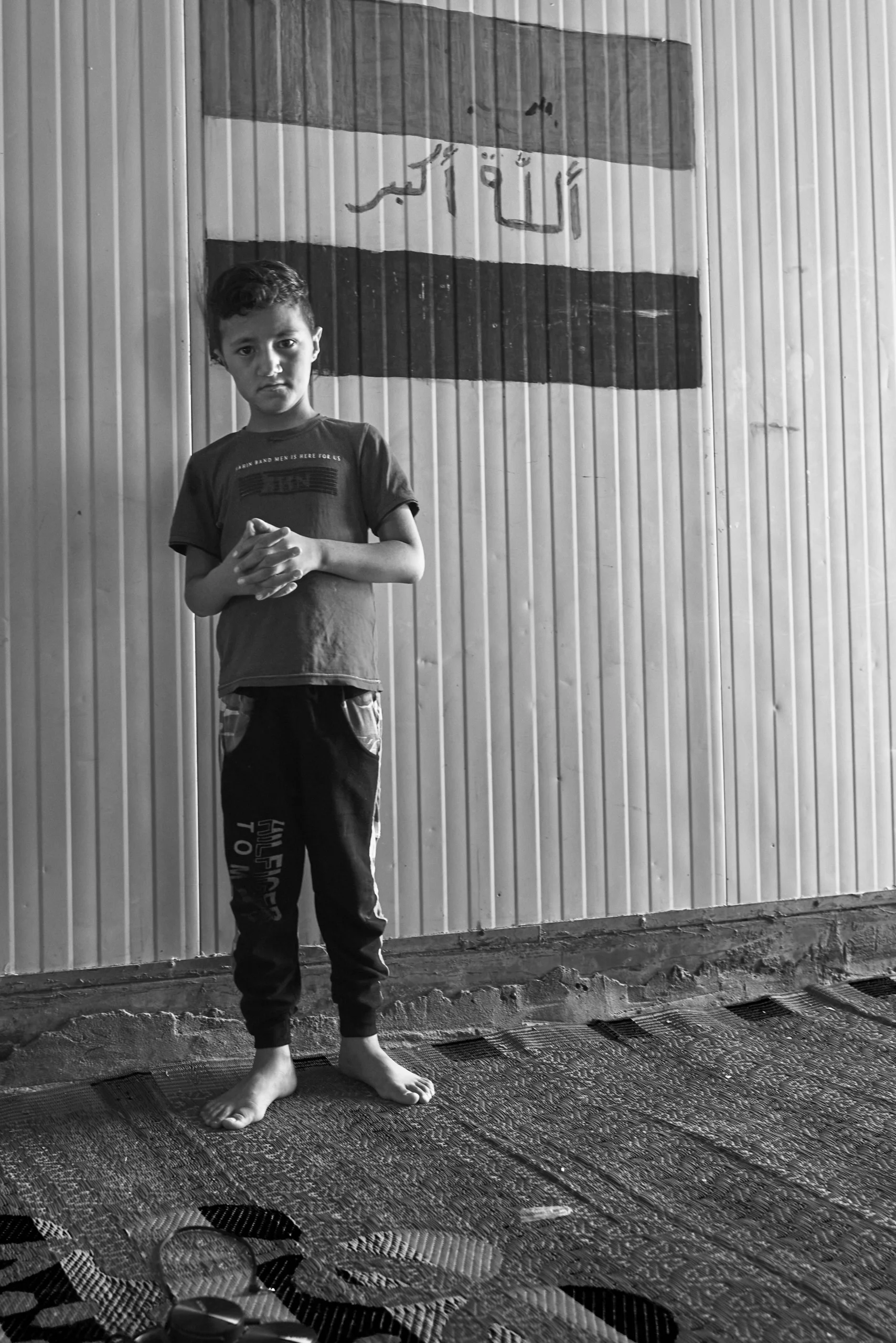
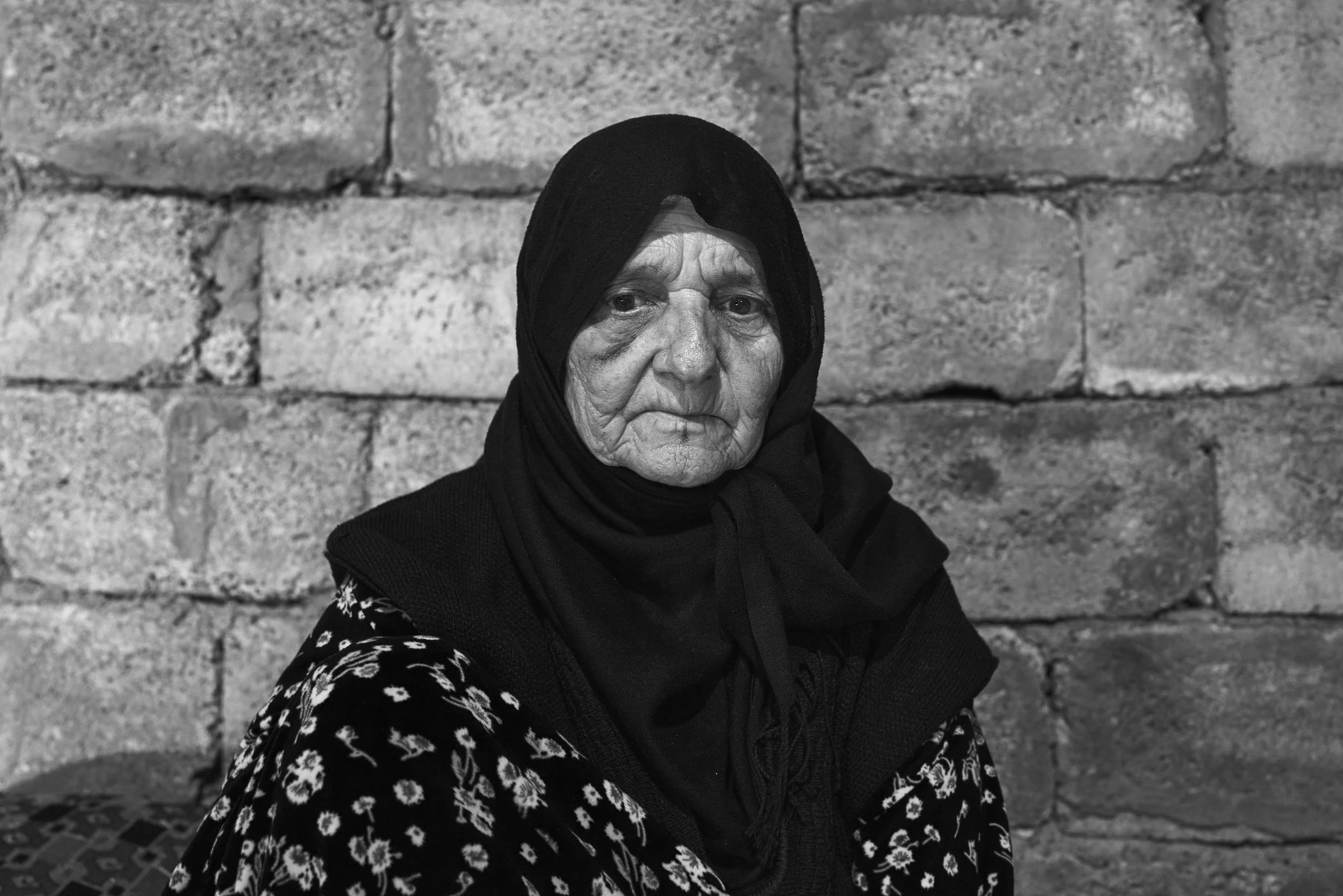
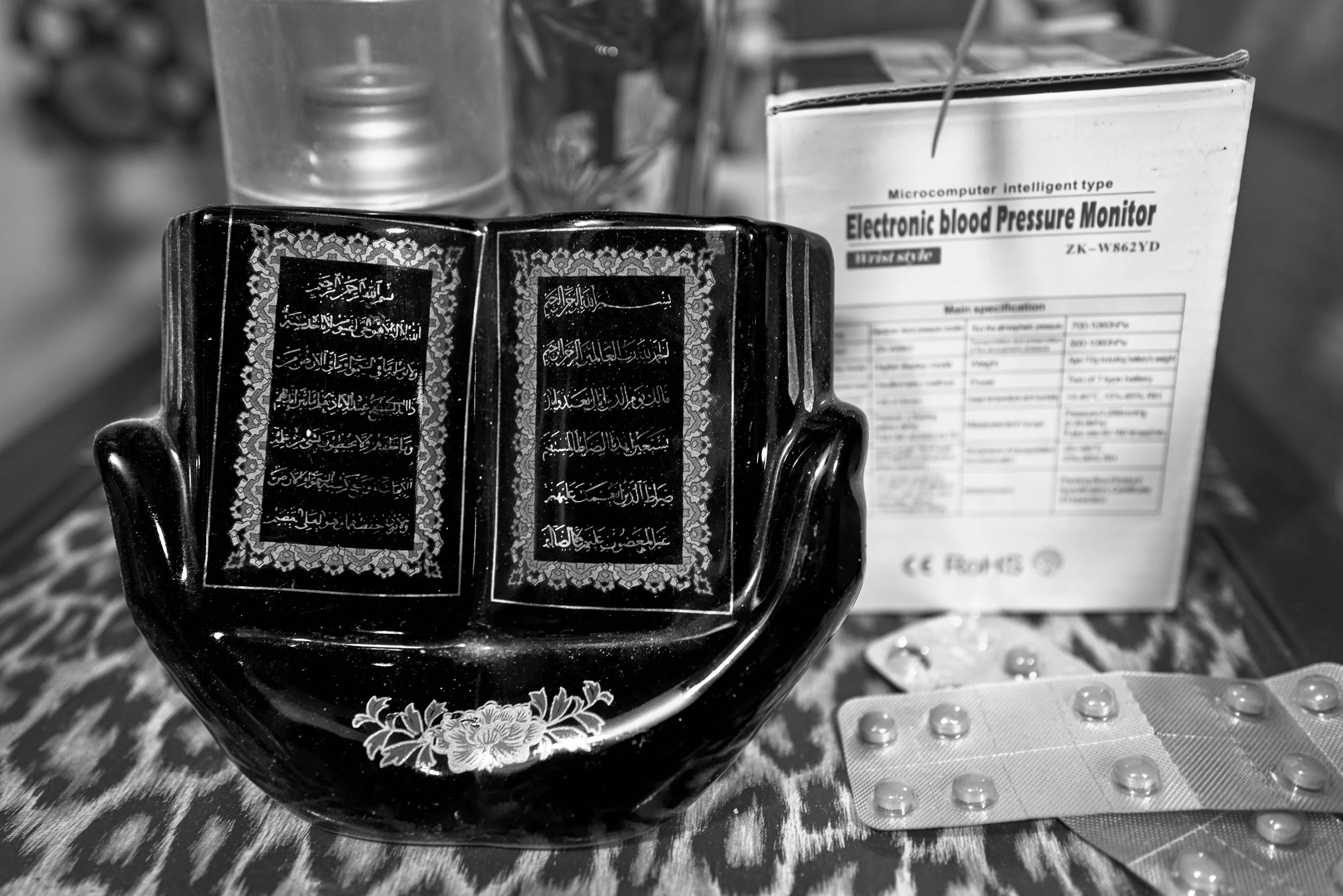
Many traumatised patients believe that only painkillers can reduce their trauma.
About the project
After travelling between different cities during the last few years, they settled in Erbil, the capital of the Kurdistan autonomous region. As a result of the increasing religious, political crisis and wars, many people were forced to leave their environment and live with traumatic events in huge refugee camps.
Doctors, therapists, and social workers in conflict areas are reporting that traumatised people from family-oriented societies such as Iraq, in addition to mental complaints caused by traumatisation, complain of different body pain, indicating a different perception and processing of traumatic experiences. Many traumatised patients believe that only painkillers can reduce their trauma, increasingly take painkillers and consequently develop drug dependence.
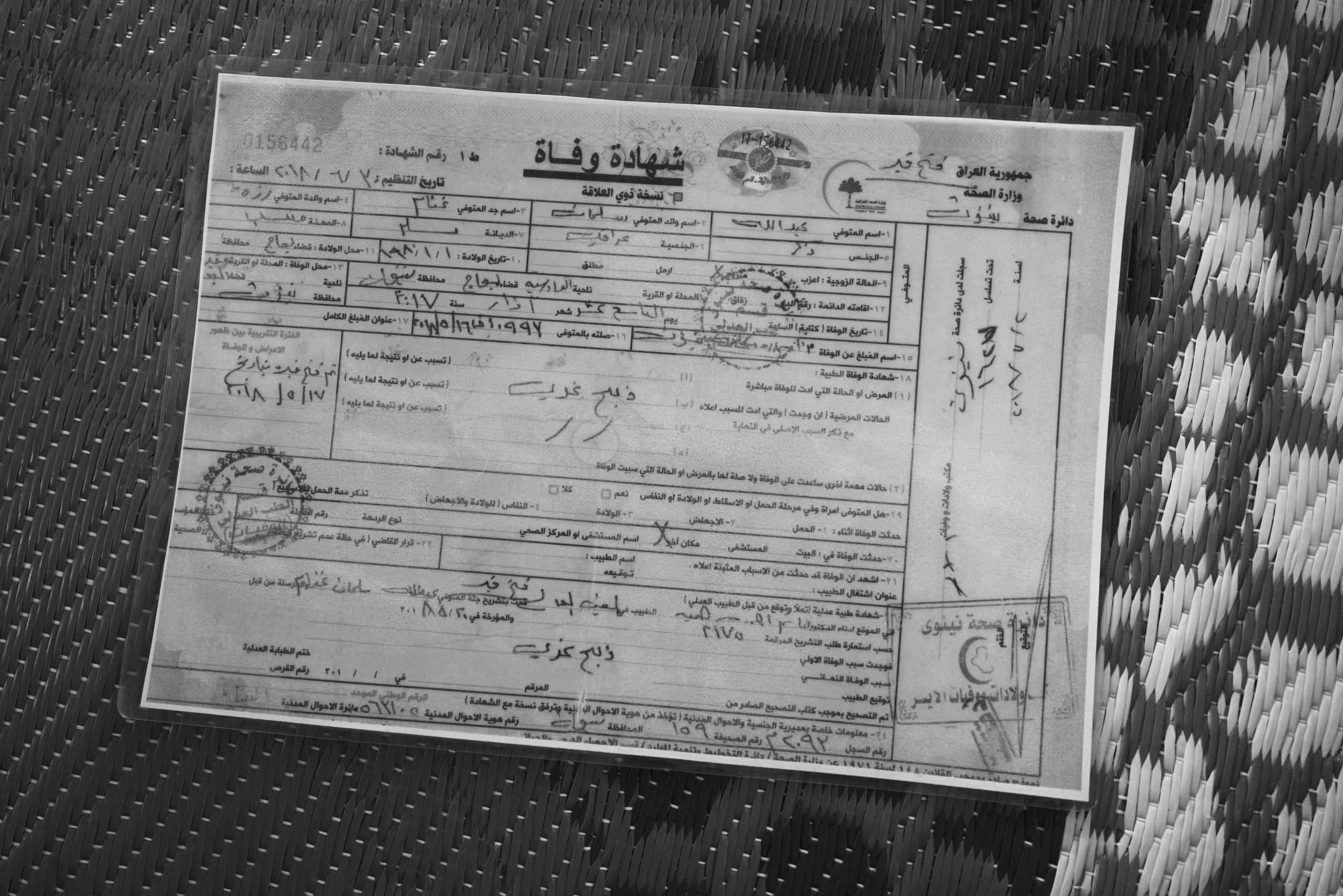
There are those like Abbas, one of the first residents of Harshm camp, who lost his brother in a suicide attack by a member of ISIS, and those like Chrina, who, after receiving the news that Daesh had killed her father because he collaborated with an American company, has never been the same.
Then there’s Talia, who is no longer able to leave the house due to her mental health problems. Daoud, who suffers from bipolar disorder and in a fit of desperation, killed his wife. Ismail and his family had to flee Mosul just before their new home, the fruit of years of effort, was completed.